


Introduction:
In the diverse canvas of physiotherapy, a creative approach is gaining recognition for its unique healing potential – art therapy. This innovative method harnesses the power of creative expression to enhance rehabilitation outcomes. In this article, we’ll explore the therapeutic benefits of incorporating art therapy into physiotherapy, revealing how the synergy of art and rehabilitation can foster holistic healing.
Understanding Art Therapy in Physiotherapy:
Art therapy involves the use of artistic processes, such as drawing, painting, or sculpting, to facilitate self-expression and promote emotional well-being. In the context of physiotherapy, art becomes a tool for individuals to communicate, explore, and cope with the physical and emotional challenges of rehabilitation.
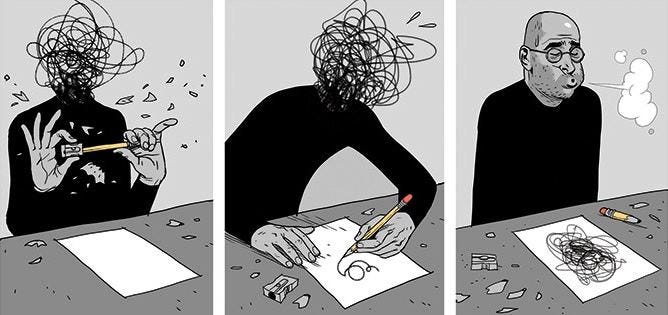
The Therapeutic Benefits of Art Therapy in Physiotherapy:
Emotional Expression:
- Art provides a non-verbal means for individuals to express emotions related to their physical conditions, pain, and the challenges of rehabilitation. This emotional release can contribute to a sense of relief and understanding.
Mind-Body Connection:
- Engaging in artistic activities fosters a connection between the mind and body, aligning with the principles of physiotherapy. This holistic approach supports individuals in understanding and navigating the relationship between physical and emotional well-being.
Pain Management:
- Art therapy has been shown to reduce perceptions of pain by providing a distraction and offering a creative outlet for individuals to focus on during physiotherapy sessions.
Stress Reduction:
- The process of creating art can be inherently meditative, promoting relaxation and reducing stress. This is particularly valuable for individuals navigating the challenges of rehabilitation.
Enhanced Self-Esteem:
- Accomplishing artistic tasks, whether simple or complex, contributes to a sense of achievement and boosts self-esteem. This positive reinforcement is beneficial for individuals undergoing physiotherapy.
Integrating Art Therapy into Physiotherapy:
Tailored Creative Activities:
- Physiotherapists collaborate with individuals to identify creative activities that align with their interests and abilities. This ensures that art therapy is personalized and meaningful.
Incorporating Art into Exercises:
- Artistic elements can be incorporated into traditional physiotherapy exercises, making the rehabilitation process more engaging and enjoyable.
Reflection and Discussion:
- Physiotherapists facilitate discussions around the artwork created, helping individuals gain insights into their physical and emotional experiences. This reflective process is integral to the therapeutic benefits of art therapy.
Conditions Suitable for Art Therapy in Physiotherapy:
Art therapy can be beneficial for various conditions, including:
- Chronic pain conditions
- Rehabilitation after surgery or injury
- Mental health challenges associated with physical conditions
Long-Term Wellness:
Beyond immediate relief, the incorporation of art therapy into physiotherapy contributes to a sense of overall well-being, supporting long-term physical and mental health.
Conclusion:
Art therapy in physiotherapy introduces a creative and expressive dimension to the rehabilitation journey. If you’re seeking a holistic approach that engages both your body and imagination in the healing process, consider the transformative potential of art therapy as a valuable addition to your physiotherapy experience.
